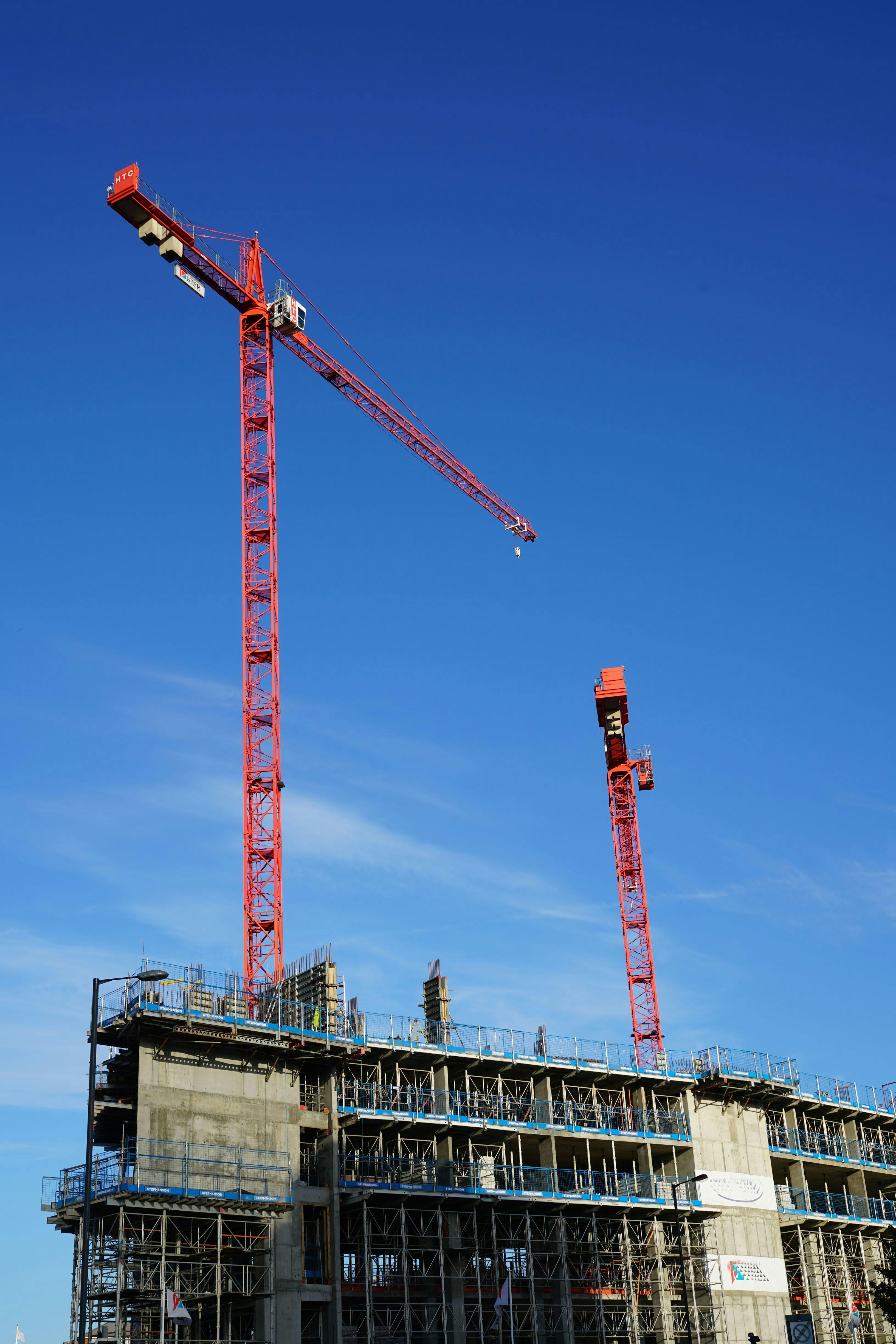

Kenya’s construction sector continues to expand rapidly, driven by urbanisation, infrastructure development and increased investment in the built environment. Yet this growth has been accompanied by a persistent concern: construction defects and, in more serious cases, structural failures and building collapses.
Beyond the immediate human and economic consequences, defective construction raises an important legal question: when a building or construction project fails to meet the required standard, who bears responsibility?
The answer is rarely straightforward. Depending on the circumstances, liability may extend across the project chain, from contractors and construction professionals to developers and property owners.
Understanding Construction Defects
Construction defects generally fall into two categories.
The distinction is particularly important because some defects may only emerge long after a project has been handed over, potentially raising questions around contractual obligations, professional responsibility and the appropriate legal recourse.
Kenya’s Regulatory Framework
Construction in Kenya is governed by an interconnected framework of legislation, regulations and professional standards designed to promote safety, quality and accountability.
The National Construction Authority Act, 2011 establishes the National Construction Authority (NCA), which regulates contractors and construction projects and carries out inspections and enforcement.
The National Building Code, 2024 provides standards governing construction practices and safety requirements, with the broader objective of improving structural safety, occupational safety and regulatory compliance.
Professional responsibility is additionally regulated through the Engineers Act, 2011 and the Architects and Quantity Surveyors Act (Cap. 525), while development approvals and land-use controls fall within the Physical and Land Use Planning Act, 2019.
The Occupational Safety and Health Act, 2007 also imposes obligations relating to safety on construction sites.
Together, these laws create overlapping obligations throughout the lifecycle of a construction project. Compliance is therefore not simply a matter for the contractor at the point of construction; it is a continuing responsibility involving several participants.
Where Does Liability Sit?
Contractors
Contractors occupy a central position in the liability framework because they are responsible for executing construction works in accordance with approved plans, specifications and applicable standards.
Liability may arise from poor workmanship, the use of substandard materials, departures from approved drawings, failure to comply with building standards or breaches of statutory obligations.
Contractors may also face responsibility for work undertaken by subcontractors operating under their supervision or control.
The NCA Act further requires contractors undertaking construction works to be appropriately registered and construction projects to be registered with the Authority before commencement.
Architects, Engineers and Quantity Surveyors
Construction professionals are not insulated from liability simply because they do not physically carry out the works.
They owe contractual and professional duties in performing their respective roles and are expected to exercise appropriate skill, care and diligence.
Engineers, for example, are subject to professional standards under the Engineers Act, 2011 and may face disciplinary consequences for gross negligence, incompetence or failure to comply with applicable professional standards.
Architects and quantity surveyors are similarly subject to professional regulation through the Board of Registration of Architects and Quantity Surveyors.
Depending on their role in a project, professional liability may arise from matters such as negligent design, inadequate supervision, improper certification of works or failure to ensure compliance with approved plans and statutory requirements.
Developers and Property Owners
Developers and project owners also have an important role in maintaining compliance throughout the construction process.
Potential liability may arise where a developer appoints unqualified contractors or consultants, proceeds without the necessary approvals, authorises departures from approved plans, interferes with professional advice or knowingly permits unsafe construction practices.
The practical implication is significant: responsibility for construction safety cannot simply be outsourced.
What Are Kenyan Courts Saying?
Recent decisions demonstrate the importance Kenyan courts place on regulatory compliance, proper technical evidence and the respective duties of parties involved in construction projects.
In Continental Homes Limited v Suncoast Investments Limited (2018) KEHC 6745 (KLR), the High Court highlighted the importance of appropriate technical evidence and compliance with contractual certification procedures when pursuing claims relating to defective workmanship.
More recently, in Mburu & another v Olondo (Civil Appeal E300 of 2023) [2025] KEHC 19280 (KLR), a dispute arising from the collapse of a multi-storey building, the Court considered the duty owed by developers to neighbouring property owners and the consequences of proceeding with construction contrary to NCA suspension notices and statutory compliance requirements.
These decisions reinforce an important principle: compliance with construction regulation is not merely procedural. Failure to observe statutory requirements can have significant consequences when defects, damage or structural failure occur.
Regulatory Enforcement Is Also Becoming More Significant
Kenya’s regulatory framework increasingly emphasises inspection and enforcement during construction rather than intervention only after something has gone wrong.
Section 23A of the National Construction Authority Act, introduced through the Business Laws (Amendment) Act, No. 1 of 2020, provides for mandatory NCA inspections of sites under construction.
Sites that fail to comply with requirements relating to matters such as contractor registration, construction levies or worker accreditation may consequently face stop-work orders and other enforcement measures.
The Physical and Land Use Planning (Development Control Enforcement) Regulations, 2021 have similarly strengthened county-level enforcement through procedures relating to investigations, technical reviews, enforcement notices and the demolition of non-compliant developments.
What Does This Mean for Construction Projects?
The legal framework points towards a broader shift in construction risk: compliance should be treated as a project-wide risk management issue rather than a box-ticking exercise.
For developers and property owners, this means undertaking proper due diligence when appointing contractors and consultants, securing the necessary approvals and ensuring that regulatory requirements are observed throughout the project.
For contractors, compliance with approved designs, applicable construction standards and NCA requirements should remain central throughout execution.
For architects, engineers and quantity surveyors, proper documentation, professional oversight and adherence to applicable standards are particularly important, given the potential for both contractual liability and professional disciplinary action.
Where warning signs, regulatory notices or identified defects arise, prompt action is equally important. Continuing construction despite known compliance or safety concerns can materially increase the legal and financial exposure of those involved.
Conclusion
As Kenya’s built environment continues to grow, the question is no longer simply whether construction projects are completed on time and within budget. Increasingly, attention must also be paid to whether they are designed, approved, supervised and constructed in accordance with the law and applicable professional standards.
Construction defects can create a chain of liability involving contractors, professionals, developers and property owners. Effective risk management therefore begins well before a defect becomes visible.
For participants in Kenya’s construction sector, strong contractual arrangements, qualified professional teams, regulatory compliance and effective project oversight remain some of the most important safeguards against construction-related liability.