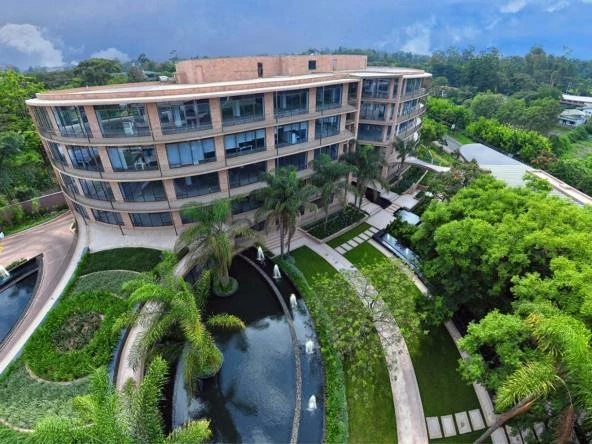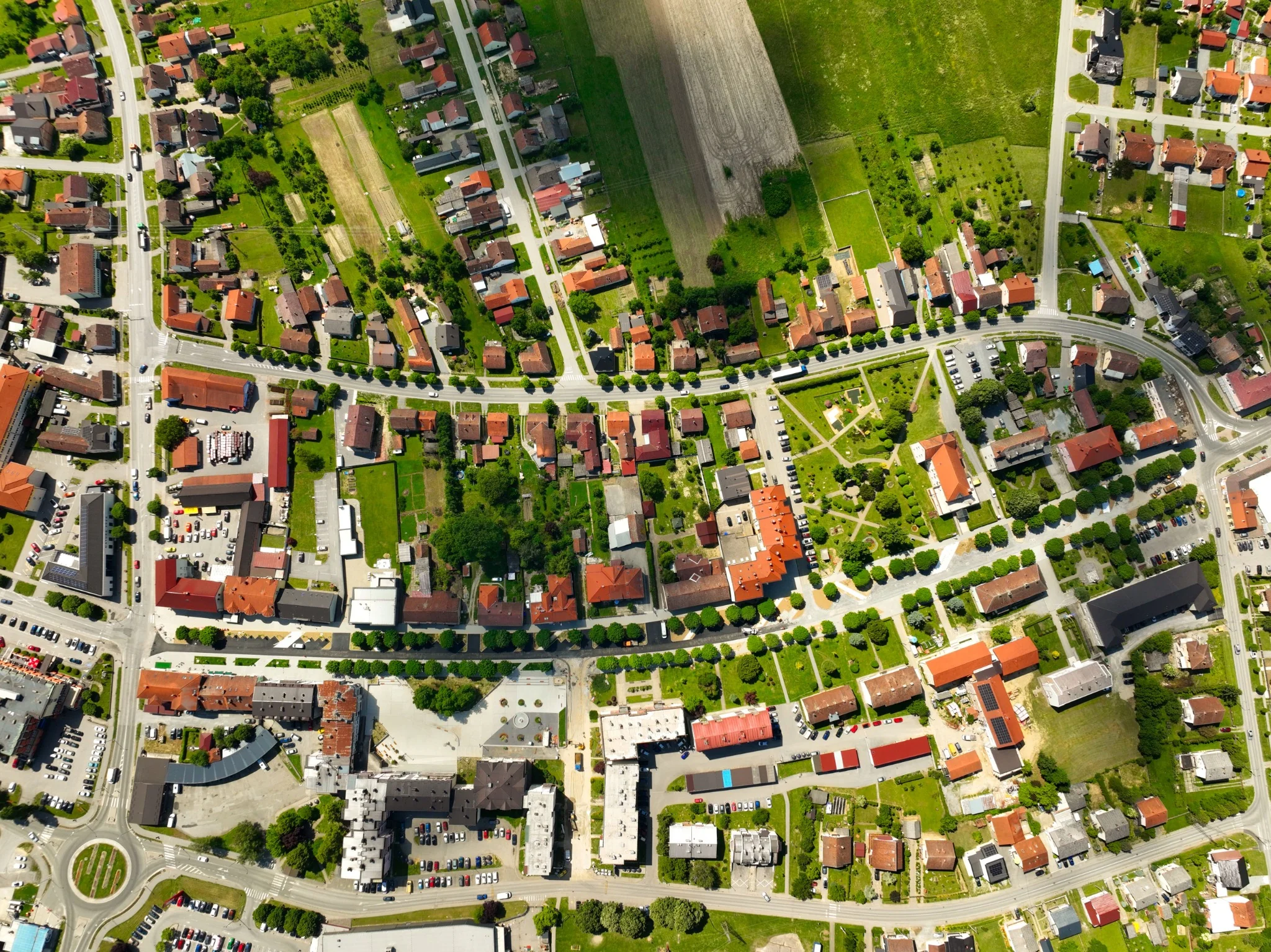
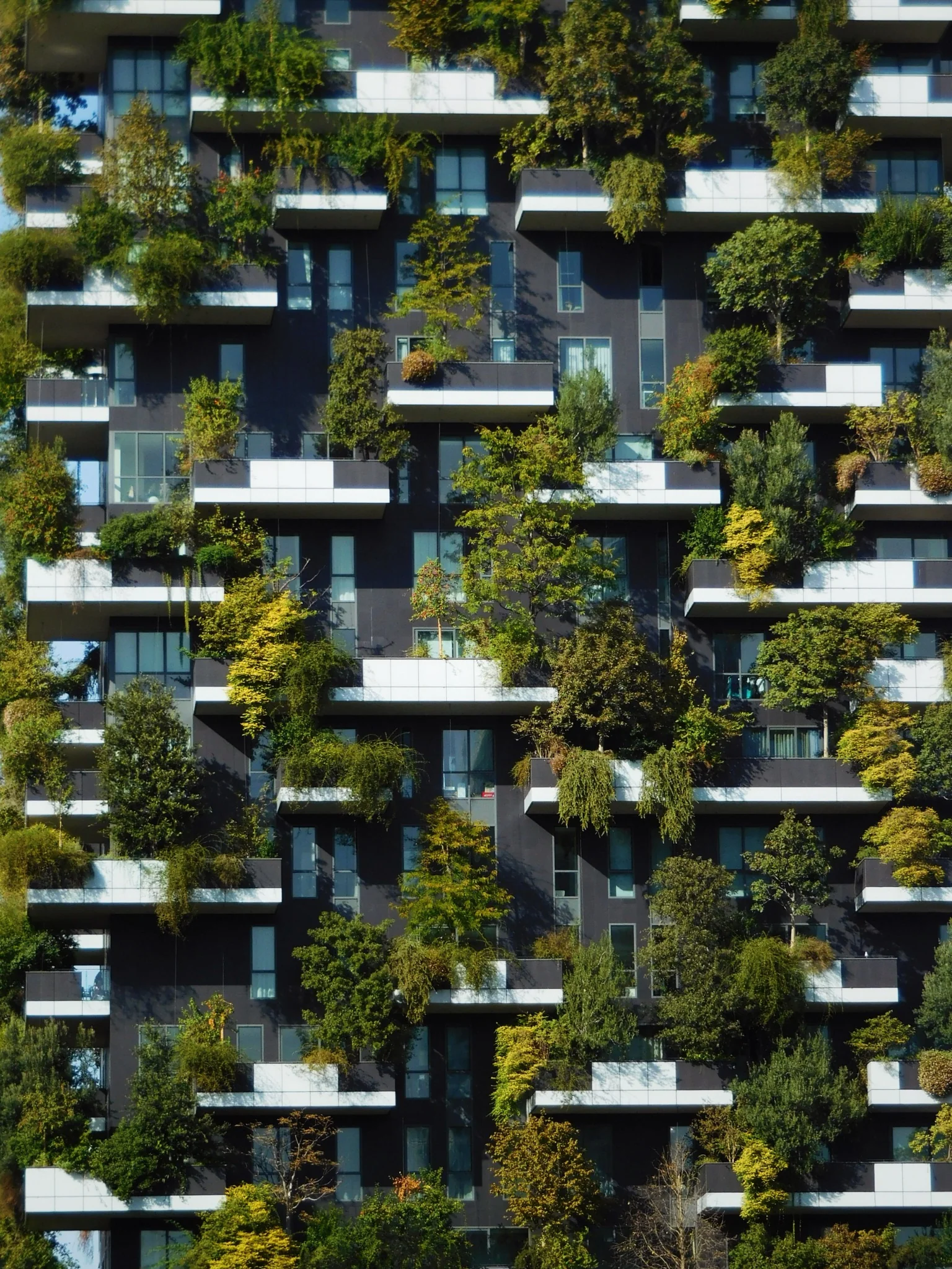
Kenya is building at a remarkable pace. Residential developments are rising where open land once stood, commercial projects are reshaping skylines, and major infrastructure investments continue to redefine how people live, work and move. But beneath this growth lies a question the construction industry can no longer afford to ignore: as Kenya works to bridge its housing deficit and accommodate a rapidly urbanising population, it is increasingly important to consider not only how much we build, but how we build. This is where green building comes in.At its core, green building is about designing, constructing and operating buildings in ways that minimise environmental impact, use resources efficiently, reduce emissions and create healthier, more resilient spaces for the people who occupy them.
Why Green Buildings Matter
The construction industry is an important driver of economic development. It creates employment, attracts investment and supports sectors ranging from manufacturing and transport to finance and professional services. At the same time, the built environment is a significant consumer of energy and natural resources and a contributor to greenhouse gas emissions.
In Kenya, this creates an important challenge. As the country's building stock expands, so too does the environmental footprint associated with constructing, operating, maintaining and eventually replacing those buildings.
The carbon footprint of a building generally arises in two forms. Operational carbon results from the energy consumed during the building's use, including lighting, heating, cooling and other services. Embodied carbon, on the other hand, is associated with the materials and construction processes used throughout the building's lifecycle.
As buildings become more energy efficient, embodied carbon is likely to account for an increasingly significant share of their overall emissions. This makes decisions taken at the design and construction stages particularly important.
Green building seeks to address both dimensions.
Thoughtful building orientation, natural lighting and ventilation can reduce energy demand. Solar energy systems can reduce reliance on grid electricity, while rainwater harvesting and water-efficient fixtures can help conserve increasingly scarce water resources.
Material selection is equally important. Cement production, for example, is a significant source of industrial greenhouse gas emissions because of the energy-intensive clinker production process. The use of lower-carbon cement blends, recycled construction materials and circular economy principles can therefore contribute to reducing a building's overall environmental footprint.
ESG and the Built Environment
Sustainable construction is also becoming increasingly relevant within the broader Environmental, Social and Governance (ESG) framework.
From an environmental perspective, ESG considerations include reducing pollution and greenhouse gas emissions, improving energy and resource efficiency, protecting biodiversity and strengthening climate resilience. In the buildings and construction sector, this can translate into energy-efficient design, renewable energy integration, responsible sourcing of materials, water conservation and improved waste management.
For developers and investors, these considerations are increasingly moving beyond corporate sustainability commitments. They can influence project financing, investment decisions, regulatory compliance, asset performance and the long-term value and resilience of developments.
The Legal Foundations of Green Building in Kenya
A Constitutional Foundation
Kenya's transition towards sustainable construction does not begin with environmental policies or building regulations. Its foundations can be traced to the Constitution.
Article 42 guarantees every person the right to a clean and healthy environment. Although broad in its formulation, this right provides an important constitutional basis for environmental protection and sustainable development.
Article 43 recognises the right to accessible and adequate housing. As Kenya seeks to meet growing housing demand, the quality and sustainability of that housing are increasingly important considerations. Housing that is prohibitively expensive to operate or poorly adapted to changing climatic conditions may create additional long-term costs for occupants and communities.
Article 69 places obligations on the State relating to environmental protection, conservation and the sustainable use of natural resources, while Article 10 recognises sustainable development as one of Kenya's national values and principles of governance.
The Constitution also recognises the role of culture, science and indigenous knowledge in development under Article 11, while the principles of devolution under Article 174 reinforce the role of county governments in matters including planning and development control.
Taken together, these provisions establish sustainability as an important consideration within Kenya's broader development framework.
The Statutory and Regulatory Framework
Kenya does not currently have a single statute dedicated exclusively to green buildings. Instead, sustainable construction is governed through a combination of climate, energy, environmental, planning and building legislation.
The Climate Change Act, 2016, as amended in 2023, provides the overarching legislative framework for Kenya's response to climate change. It provides for the mainstreaming of climate change responses into development planning, decision-making and implementation and establishes obligations relevant to both public and private sector actors. For the construction sector, this strengthens the case for integrating climate resilience and low-carbon considerations into the development process from an early stage.
The Energy Act, 2019 provides an important statutory foundation for energy efficiency and conservation. Its framework supports measures including energy management, energy audits and energy performance requirements, all of which have implications for the design and operation of buildings.
Environmental considerations are further reinforced by the Environmental Management and Co-ordination Act (EMCA) and the environmental impact assessment regime established under it. Developments falling within the prescribed categories may be required to undergo environmental assessment before implementation. This provides an opportunity to identify and mitigate environmental impacts relating to matters such as pollution, waste, biodiversity, water use and ecosystem protection at the planning stage.
The Physical and Land Use Planning Act, 2019 is also central to sustainable development. Planning decisions determine not only where development occurs, but also how developments interact with infrastructure, transport systems, natural resources and surrounding communities. Sustainable construction therefore begins well before a contractor arrives on site.
A particularly important development is the National Building Code, 2024, which modernises Kenya's building standards and incorporates requirements relevant to energy efficiency, lighting, ventilation, water management, accessibility, safety and building performance. Its significance lies in bringing sustainability considerations closer to the ordinary design, approval and construction process rather than treating them as separate or specialist concerns.
Finally, the Occupational Safety and Health Act, 2007 contributes to the social dimension of sustainable construction by establishing requirements intended to protect the health, safety and welfare of workers. A sustainable construction industry must consider not only the environmental performance of the finished building, but also the people involved in delivering it.
From Compliance to Commercial Value
The direction of travel is clear. Green building is moving from the margins of environmental policy into mainstream legal, regulatory and commercial practice.
For developers, this means sustainability considerations increasingly need to be addressed from project conception and design through planning, procurement, financing, construction and operation.
For investors and financiers, the environmental performance and climate resilience of an asset can increasingly form part of broader risk and investment assessments. For professional advisers, architects, engineers and contractors, it creates a need to understand how sustainability requirements affect project design, contractual allocation of risk and regulatory compliance.
Green building should therefore not be viewed solely as an additional compliance burden. When properly integrated into a project, resource efficiency can reduce operating costs, improve asset performance and strengthen resilience over the life of a development.
Conclusion
Kenya's green building landscape is no longer an emerging concept confined to environmental policy discussions. It is steadily becoming part of mainstream legal, regulatory and commercial practice.
The constitutional foundations are already in place, while the legislative and regulatory framework continues to evolve. Developers, investors and professionals are increasingly recognising that sustainability is not simply about environmental responsibility. It is also about creating buildings that use resources more efficiently, perform better over their lifecycle and remain resilient in the face of changing climatic conditions.
The next chapter in Kenya's green building journey will therefore not be written by legislation alone. It will depend on how regulators, county governments, developers, financiers, consultants and construction professionals translate these legal foundations into developments that are genuinely sustainable.
How Ashitiva Advocates can assist
At Ashitiva Advocates LLP, we advise developers, investors and public sector entities on the legal and regulatory aspects of sustainable development, including project structuring, regulatory compliance and the allocation of environmental and climate-related risks.